
Brent Abernathy: The Unsung Hero of MLB
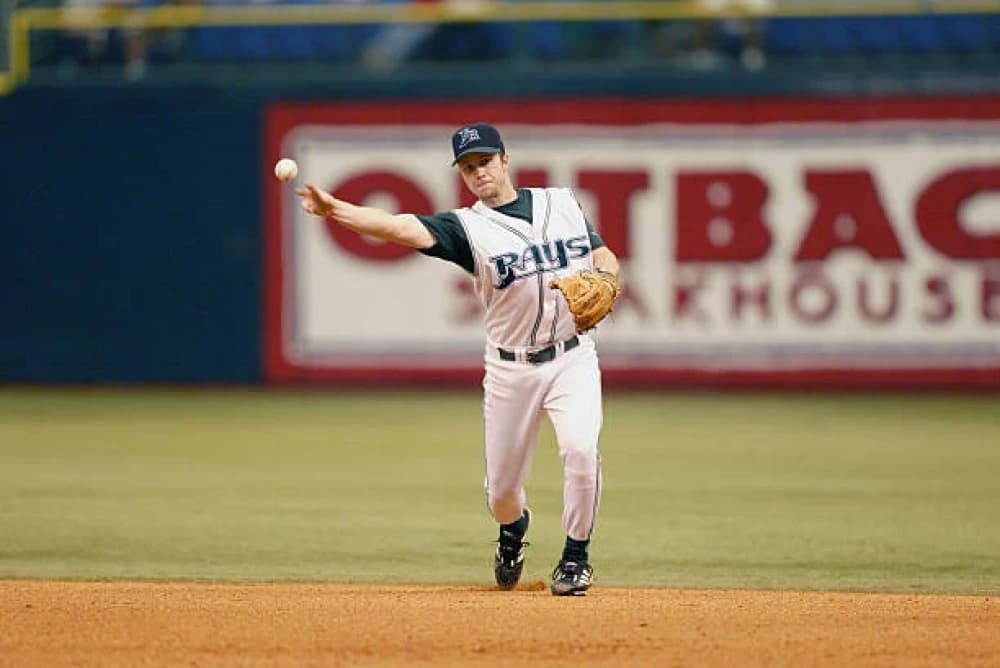
Brent Abernathy, while not a household name, made significant contributions as a reliable second baseman in Major League Baseball, exemplifying resilience and dedication throughout his career.
Brent Abernathy, a former major league baseball player, is recognized for his significant contributions as a second baseman during his tenure in Major League Baseball (MLB). He was born on December 16, 1977, in West Palm Beach, Florida. Despite having a relatively short career, Abernathy made a mark with several teams, most notably the Tampa Bay Devil Rays, Kansas City Royals, and Chicago White Sox. His tenure in the majors showcased his defensive reliability, strong work ethic, and versatility in contributing to his team in various capacities. Though he may not be as well-known as some of his peers, Abernathy was a consistent and reliable presence, earning respect both in the clubhouse and on the field.
Abernathy's journey in Major League Baseball (MLB) was marked by perseverance and triumph over challenges. Faced with injuries that hindered his development and playing for teams in the midst of rebuilding, he worked hard to keep his place in the league. While he may not have achieved superstar status, he was a valuable player who consistently took on various roles, including infield positions and pinch-hitting opportunities. His adaptability and professionalism are central themes in his narrative.
Significant Achievements in Career
Major League Debut (2001): Abernathy made his debut in Major League Baseball on May 24, 2001, as a member of the Tampa Bay Devil Rays. After dedicating several years to the minor leagues, his promotion to the majors represented a pivotal milestone, signifying the result of countless hours of hard work and growth in the minors. During his inaugural season, he demonstrated considerable potential with his solid defensive skills and his capability to contribute offensively in a supporting capacity.
First Career Home Run (2003): While Abernathy was mainly recognized for his defensive skills and reliability, he achieved his first career home run on May 29, 2003, playing for the Tampa Bay Devil Rays. This milestone, though not significant in terms of statistics, represented his capability to contribute in various ways, highlighting his rare moments of power.
Transfer to the Kansas City Royals (2004): In 2004, Abernathy was moved to the Kansas City Royals. This transaction marked a significant point in his career, as it offered him another chance to demonstrate his value as a contributor. Despite ongoing struggles with injuries, his tenure in Kansas City showcased his versatility in taking on different roles, such as serving as a backup infielder and part-time starter. His experience with the Royals highlighted the difficulties faced by a player on the margins of the roster, yet who still made contributions when called upon.
Injury Setbacks and Recovery: Abernathy’s career was profoundly affected by injuries, especially to his knees and lower back. These challenges led to considerable missed playing time, often forcing him into a backup role when he was healthy. Nevertheless, his resilience became a hallmark of his career. He refused to let injuries completely derail his aspirations and persistently worked to reclaim his place on the field. His capacity to recover from injuries showcased his mental strength and resolve, even when his career appeared to be at a critical juncture.
Last MLB Season (2004): Abernathy’s final season in Major League Baseball took place in 2004 when he played for the Chicago White Sox. Although his stint in the majors was relatively short, his contributions as a utility infielder and a backup player were vital to the success of the teams he was part of during this period.
Performance Metrics
Classification
Information
Total Games Participated
A total of 368
Batting Average
Batting Average: .244
Home Runs
eight
Runs Batted In
79
Important Highlights
- Limited Achievements in MLB: Mostly spent his career in the Minor Leagues, where he experienced only modest success in the majors.
- Dominance in the Minor Leagues: Stood out as a more effective hitter in the Minor Leagues, demonstrating his offensive skills during that time.
Tenacity & Returns
A significant characteristic of Abernathy's career was his ability to remain resilient amidst challenges. Throughout his time in MLB, he faced numerous injuries, particularly affecting his knees and back. These ailments restricted his playing time and led to missed opportunities to solidify his role as a regular starter. Nevertheless, his dedication to rehabilitation and readiness for any chance enabled him to find his place in the league.
Abernathy's determination was clear in his commitment to persevere through injuries and modify his performance to meet his teams' needs. Although he did not enjoy the benefit of a secure starting role, he consistently stepped up when called upon. Whether acting as a defensive substitute or taking on a pinch-hitting assignment, Abernathy demonstrated that resilience and dedication could create a significant impact, even amidst challenges.
Heritage
Although Brent Abernathy's career was not defined by fame, his impact on the baseball community is characterized by professionalism and dependability. He was instrumental in the growth of the Tampa Bay Devil Rays during the early 2000s, contributing to a team that was in the process of establishing itself. His experiences with the Royals and White Sox further demonstrated that he was a valuable player for teams in need of a reliable backup infielder and a consistent presence in the locker room.
Abernathy's influence on the sport is primarily reflected in his consistent contributions, his leadership within the team, and his readiness to assume any role required of him. While he may not be a widely recognized name, he was a vital component for the teams he played with. His legacy represents the unsung heroes who are essential to the game of baseball, yet often get overshadowed by the prominent stars.
Future Directions
As Abernathy enters the next phase of his life after baseball, it is evident that his influence on the game is not yet finished. Having shifted into coaching and mentorship roles following his playing days, Abernathy possesses the ability to shape the upcoming generation of baseball talent. His deep understanding of the sport, combined with his experiences in overcoming injuries and obstacles, positions him as a valuable guide for players seeking to navigate the challenges of a baseball career.
As we look to the future, there is potential for Abernathy to exert an even more significant impact on the baseball community in roles such as a coach, manager, or scout. His capacity to guide younger athletes, particularly those facing challenges like injuries or seeking their niche within the league, positions him to assume a vital role in a Major League organization. Despite his relatively brief MLB career, the insights he gained throughout his experiences can be shared with others, indicating that his forthcoming contributions to the sport could be as meaningful as those from his playing days.